
Untether Labs
Resources, stories, products, and care teams using Untether Labs.
The ACCESS Model, Fully Priced: A Track-by-Track Operator's Guide
The CMS ACCESS payment amounts are out. A track-by-track breakdown of what each line pays, the two organizational gates that unlock the withheld half, the clinical targets a patient must hit, the operational deadlines that gate payment regardless, and our view on why the rates are deliberately lean. Data as of Q2 2026.
Read story
The CMS ACCESS Model Is an Operations Contract. Here's the Math.
CMS's ACCESS Model pays as little as $144 of a $180 allowed amount per behavioral health patient per year, half of it withheld, with a 25% penalty for network leakage. An operator's guide to the math, the three problems that decide your payout, and why the pioneers still win.
Read story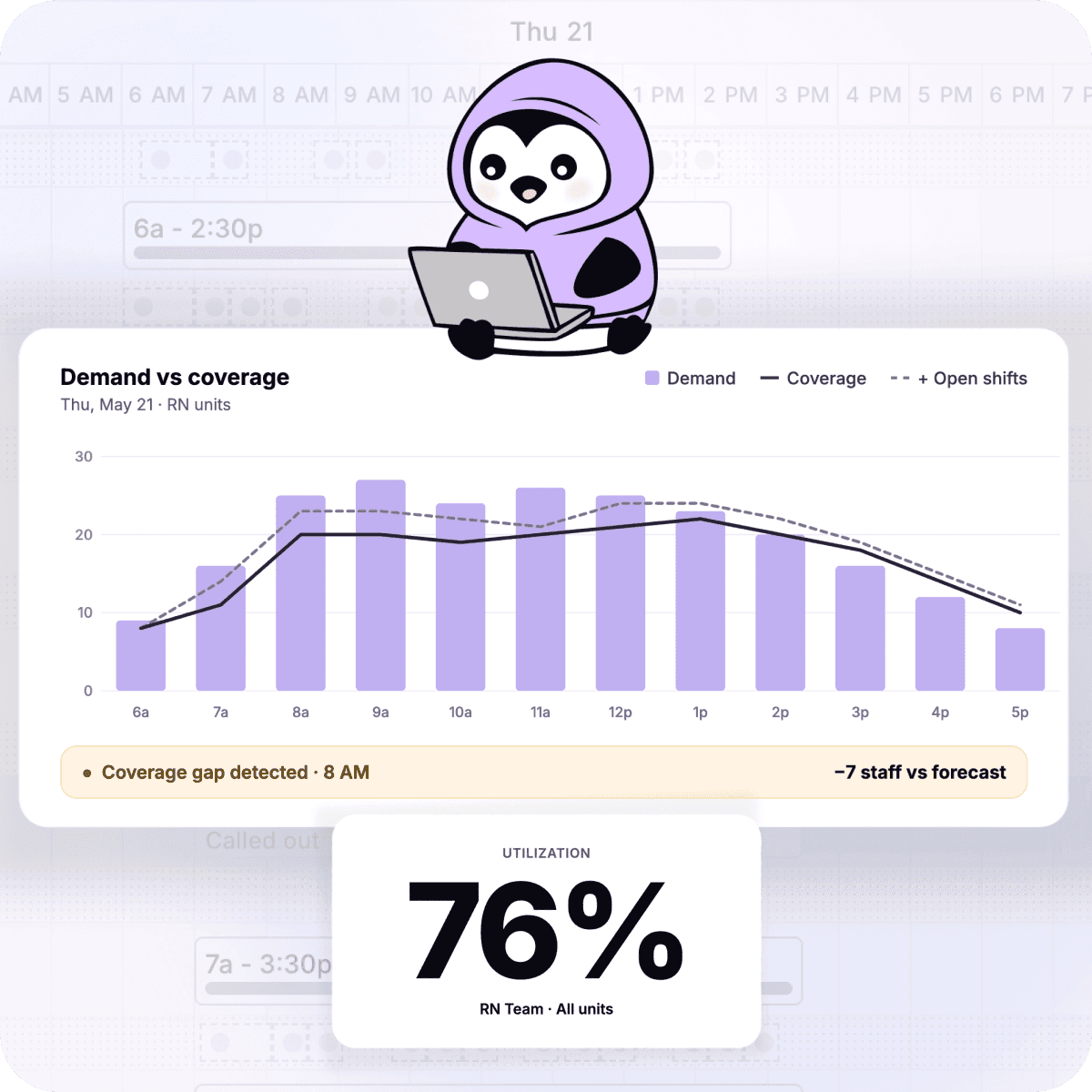
How to Build an AI Workforce Management Strategy for Telehealth
The sequence we run with every team: instrument, standardize, integrate, pilot, scale. The truth table, the policy set, six vendor questions we tell buyers to ask us too, pilot rules learned the hard way, and the KPI tree leadership actually reviews.
Read story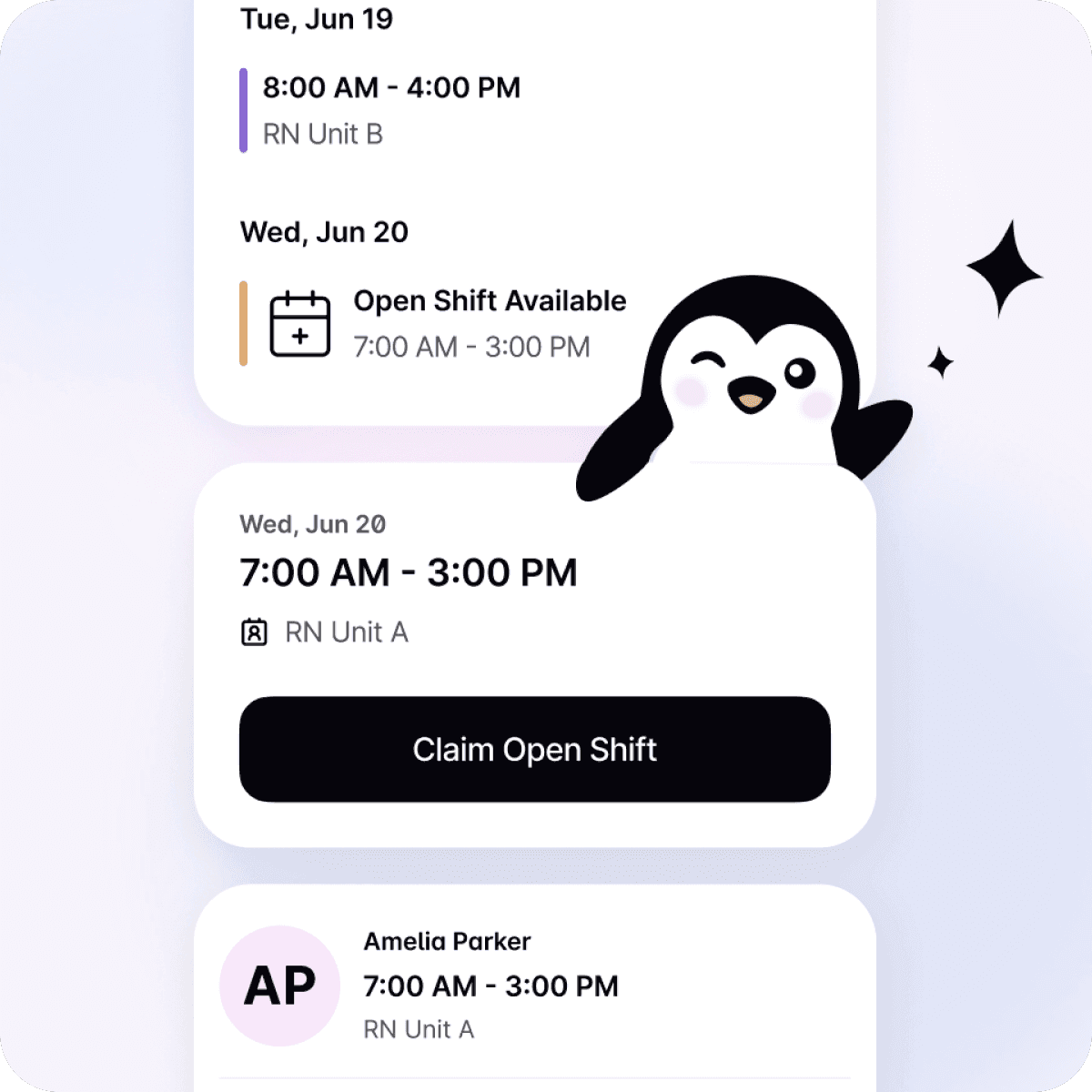
Fill Rate vs. Utilization: Running a Flex Clinician Network
With 1099 clinicians you don't assign shifts, you make shifts get chosen. Strict fill rate, the base-load/peaking-plant routing rule, the incentive-learning trap, and the six numbers we put on every flex operator's weekly review.
Read storyThe Hidden Workforce Tax of Multi-State Telehealth Expansion
Every new state multiplies your credentialing-to-first-bill lag, and a parked full-time clinician is ~$16K a month you cannot bill. Delegated credentialing, compacts, the license portfolio rules we push, and the day-one question that makes launch dates real.
Read story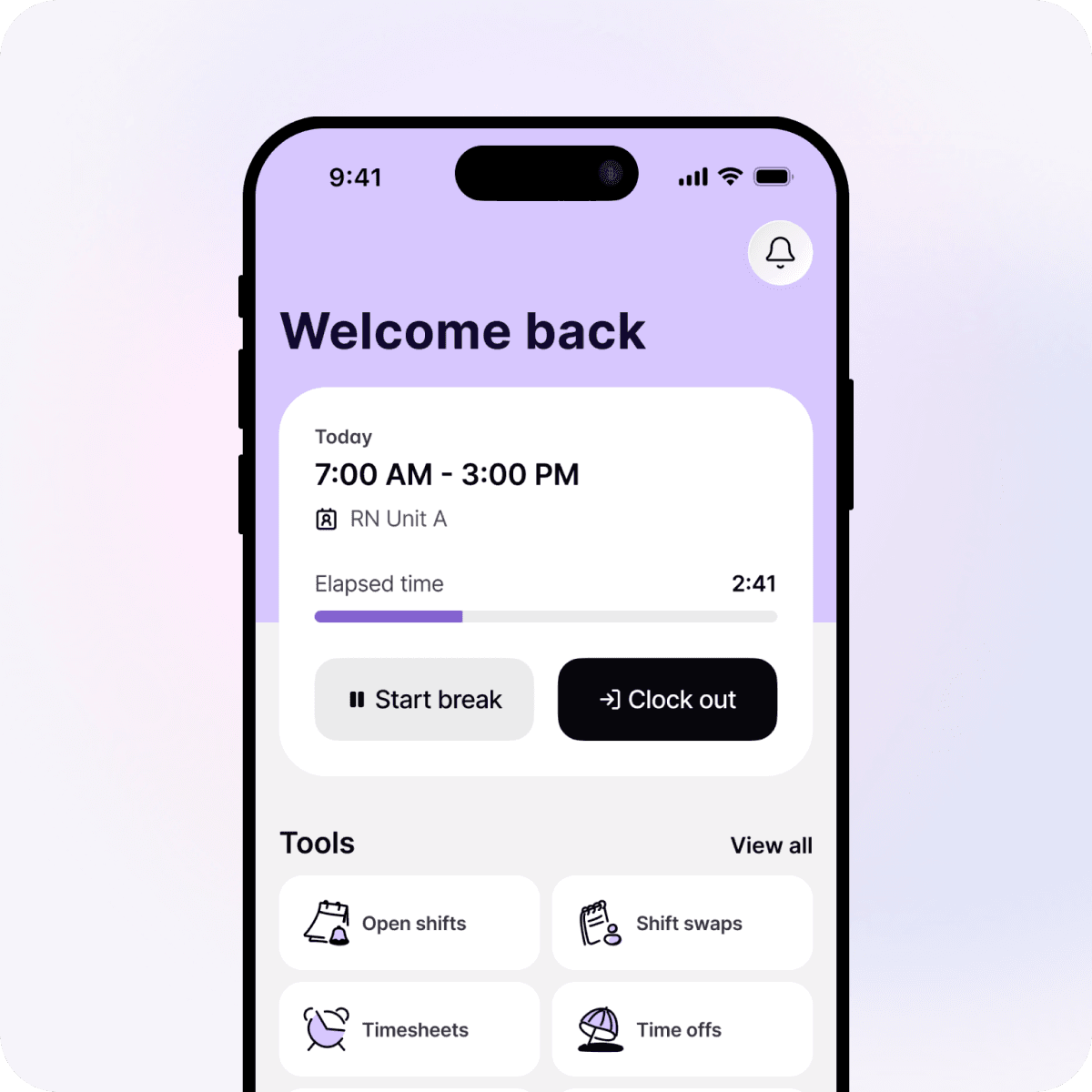
Why Clinician Utilization Decides Telehealth Margins
Utilization = publish rate × booking rate × show rate × billable rate, and three modest leaks compound into a third of clinical payroll. The benchmarks we see across virtual networks, the $470K-per-point math, and the weekly review that moves it.
Read story
What is AI Workforce Management for Telehealth?
Telehealth capacity is a matching problem, not a headcount problem. The seven-question test we give every ops team, the three loops that run a virtual clinical workforce, and where AI actually moves the numbers.
Read story
What is Time Off Management in Healthcare?
Time off management in healthcare—especially in multi-region virtual clinics—is about more than just approving vacations. It requires coordinating diverse regulations, maintaining proper staffing levels, ensuring patient coverage, and managing fair leave policies. By using clear guidelines, predictive planning, flexible scheduling options, and technology integrations, healthcare organizations can balance staff well-being with uninterrupted patient care. This approach reduces stress, lowers turnover, and upholds high-quality service delivery, even when key team members step away.
Read story
What is Schedule Building in Virtual Clinics?
This article outlines a three-phase guide to staff scheduling for virtual clinics: Pre-Scheduling (budgeting, forecasting patient demand, and validating provider capacity), Scheduling (creating and publishing optimized rosters), and Post-Scheduling (managing absences, coverage gaps, and real-time adjustments). It highlights strategic planning and the use of workforce management tools to enhance efficiency, provider satisfaction, and patient care.
Read story
How to Evaluate and Choose the Right WFM Vendor for Healthcare?
The article outlines a structured approach for healthcare organizations—hospitals, telehealth clinics, and similar providers—to evaluate and implement the right workforce management (WFM) solution. It highlights the drawbacks of manual scheduling, the tangible benefits of shifting to a data-driven platform, and the step-by-step process to find a vendor that meets unique clinical needs. Emphasizing accurate forecasting, demand-oriented scheduling, and automated administrative tasks, it shows how WFM technology can improve patient care, enhance staff well-being, and increase operational efficiency. Ultimately, by adopting these strategies, healthcare teams can ensure more time is spent on patient care and continuously improve overall outcomes.
Read story
What is Schedule Building in Healthcare?
This article delves into the process of schedule building in healthcare environments—from telehealth clinics to traditional hospital settings. It clarifies why well-structured schedules are vital, describes the pitfalls of poor planning, and outlines step-by-step methods to create effective staffing rosters for nurses, doctors, and other clinicians. Drawing on standard references and healthcare management textbooks, readers will learn how to use patient volume forecasts, regulatory guidelines, staff preferences, and technological tools to build schedules that improve patient outcomes, reduce staff stress, and control labor costs. The article also highlights improvements and explains why these actions lead to better healthcare delivery.
Read story
What Is Time Management in Healthcare?
This article focuses on the importance of time management in healthcare environments, including telehealth clinics and hospitals. It explains how adherence and conformance metrics can help align clinical staff with patient needs, reduce wait times, prevent burnout, and enhance patient outcomes. The guide includes real-world insights, practical steps for implementation, a quick-start checklist, and pointers on compliance considerations. By leveraging data-driven workforce management strategies and technology integration, healthcare organizations can streamline staffing, improve morale, meet regulatory standards, and ultimately deliver higher-quality, more patient-centered care.
Read story
What is Staffing & Scheduling in Healthcare?
This article defines staffing and scheduling in healthcare, highlighting their importance in both traditional hospitals and telehealth clinics. It explains the differences between centralized, decentralized, and hybrid models, and how each can impact patient care, nurse satisfaction, and costs. The piece offers actionable steps and suggests ongoing improvements—such as integrating predictive analytics, strengthening training programs, and implementing continuous feedback loops—to help healthcare organizations optimize their approach.
Read story
What Is Workforce Management in Healthcare?
Discover how advanced workforce management solutions are transforming healthcare operations. This article explores the unique challenges healthcare organizations face—like staffing shortages, administrative burdens, and outdated systems—and how Untether Labs leverages AI-driven forecasting, automated scheduling, and real-time reporting to optimize staffing, reduce costs, and enhance patient care.
Read story